Follow a tray from return to the next service.
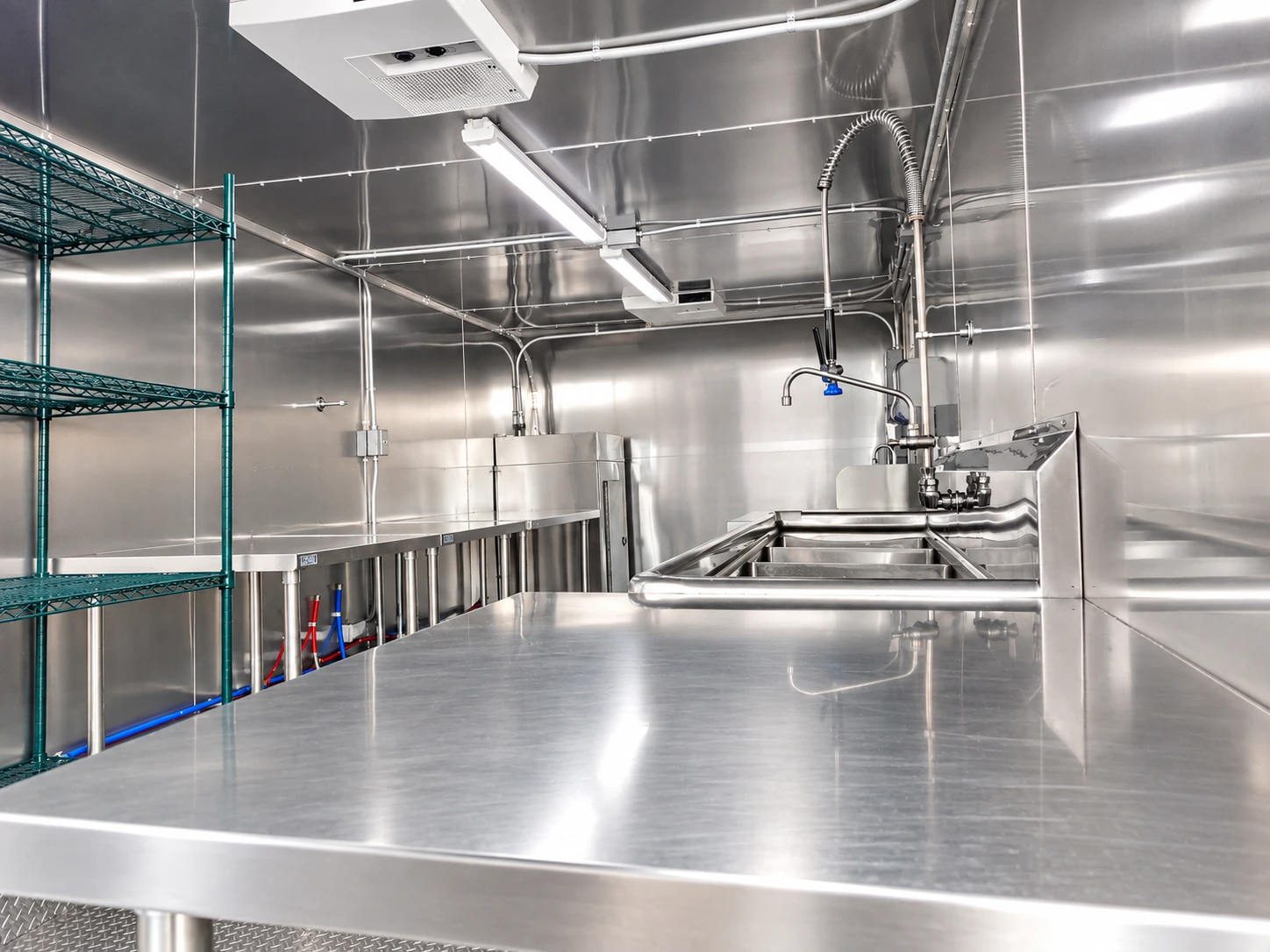
Identify where dirty wares arrive, where staff scrape and pre-rinse, and where clean items dry and wait for the next meal. Include racks, carts, doors, and temporary outdoor movement in the discussion. The route matters as much as the machine footprint.
Plan around the busiest return period.
Share the timing and mix of wares rather than only a daily meal total. A concentrated tray return may need a different staffing and staging discussion from a steady wash flow. Ask the team to confirm the assigned machine’s capacity against the busiest return period.
Coordinate phased kitchen work.
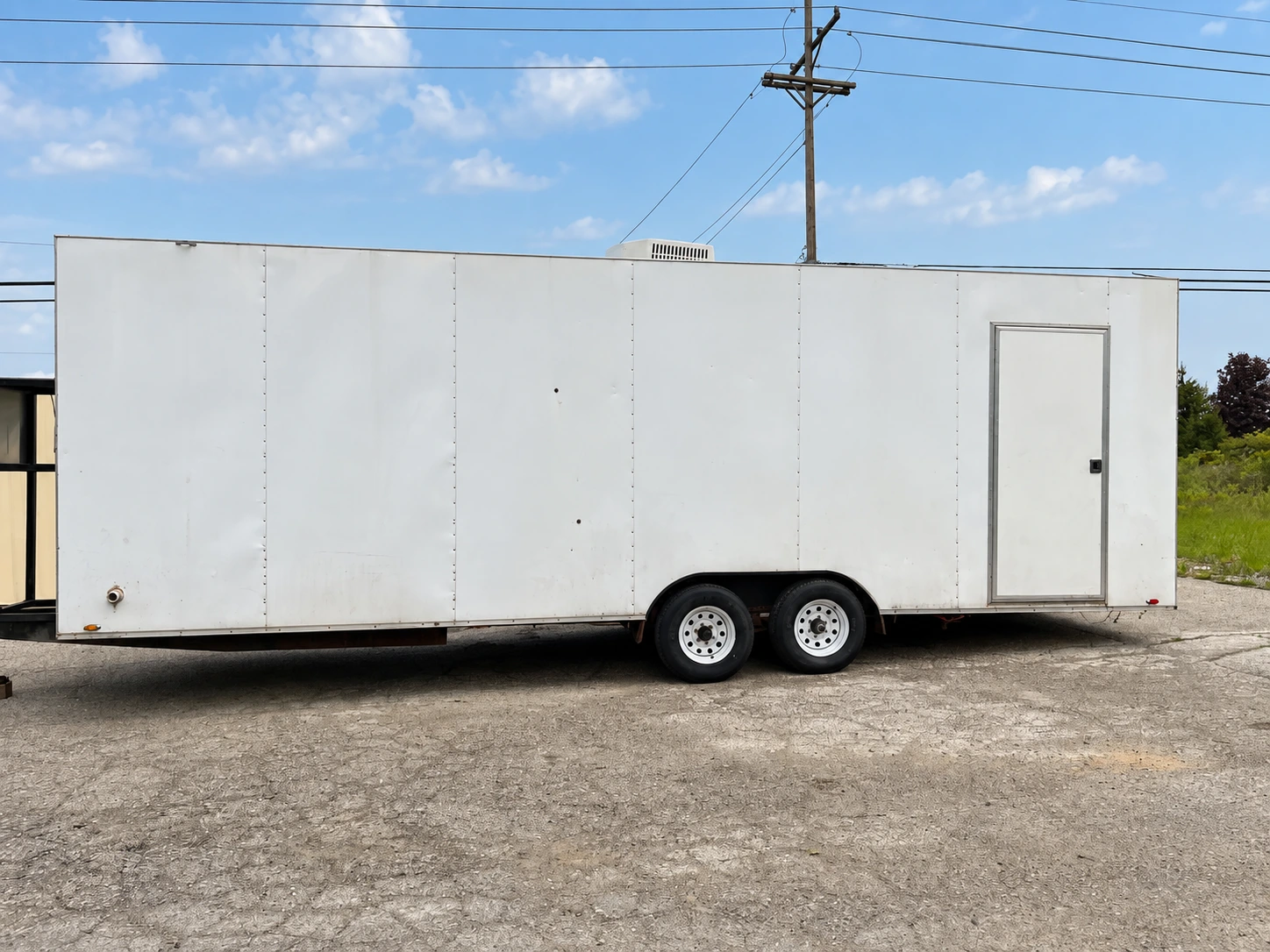
List when power, hot water, drainage, or access will be interrupted during construction. Keep the temporary wash facility and any mobile kitchen or refrigeration support aligned with those phases. Confirm local approvals and site responsibilities before operating.